 ESP
ESP
 ENG
ENG


Do whitening toothpastes really work?
Do whitening toothpastes really work? Discover how they act, when they make a difference, the risks involved, and more effective alternatives for whiter teeth.

Bad breath - Is it a disease or an indicator of it?
Bad breath, or halitosis, is a condition that produces an unpleasant smell inside the mouth and that, when the person speaks, it spreads and is perceived by its interlocutors.
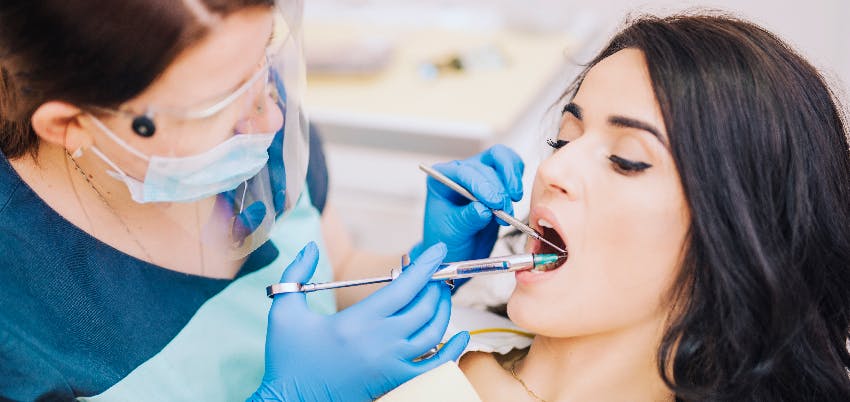
Endodontics: Save your teeth from extraction
Deep dental caries, trauma and repeated interventions are the main reasons why your dentist may recommend a endodontics in order to save your teeth. Know more about this treatment and learn how to prevent it.

Do you have a dental problem? At Wildsmile we provide you online and emergency consultations.
Don't run out of dentists this season! At Wildsmile we provide you online and emergency consultations.

Oral health in diabetics
by Wildsmile
According to the World Health Organization (WHO), diabetes is a disease that affects almost 200 million people and may affect 370 million by 2030. This disease can affect many parts of the body, including our teeth and gums.
What diabetes is?
Diabetes Mellitus is a chronic metabolic disease in which blood glucose levels are very high, due to insufficient production of insulin by the body, or to tissue resistance to the action of this hormone. Currently, this disease can be classified into three main types:
- - Type 1 diabetes. This is also known as juvenile diabetes and is caused when the pancreas produces low levels of insulin or no insulin at all.
- - Type 2 diabetes. It directly affects the way the body assimilates insulin and although the pancreas still produces it, the cells that do not respond to it.
- - Gestational diabetes. It usually appears in the fifth month of pregnancy and disappears after giving birth. It occurs because hormones in the placenta block the action of insulin, increasing blood sugar levels.
Oral health and Diabetes
Diabetes and oral health are a combination that can lead to complications if the necessary measures are not taken. This disease reduces the body's resistance to infection and slows down the healing process. If left unchecked, it can lead to the deterioration of white blood cells, the body's main defence against infection. For this reason, oral infections may become more severe in people with uncontrolled diabetes.
Diabetes can also decrease salivary flow and increase salivary glucose levels, providing the perfect environment for fungal infections such as candidiasis. The most common oral diseases reported by dentists in patients with diabetes are:
- - Periodontal disease in gums and bones.
- - Gum abscesses
- - Dental caries
- - Fungal infections
- - Mouth ulcers
- - Taste alterations
- - Dry mouth (xerostomia)
How to prevent oral problems as a diabetic?
- - Control your blood sugar level daily.
- - Brush your teeth with fluoride toothpaste and a toothbrush with adequate bristles.
- - Get regular check-ups with your dentist and diabetes doctor to keep your diabetes under control.
Want to learn more about this?
Contact us
Your contact request is registered. We will contact you as soon as possible.

Teeth Whitening: myths
Teeth whitening is a process that is at the top of its existence. Having white teeth has become one of the aesthetic priorities of many of us. This has led to the emergence of myths about it.
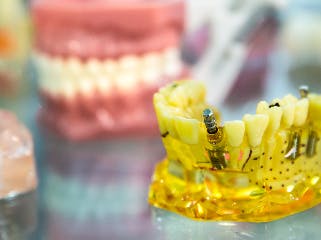
Removable Dental Prosthesis: definition, manufacture and hygiene
The removable prosthesis is a dental restoration treatment that allows it to be removed from the mouth at will. Its purpose is to replace one or more dental pieces that have had to be removed.

Oral Health: daily care
To maintain proper oral health, it is necessary to carry out a series of practices on a daily and methodical basis. Let's see what this condition is about and how it is done effectively.
Lorem ipsum dolor sit amet, consectetur adipisicing elit. Adipisci alias aliquid amet commodi dolor, dolore doloremque dolores fugit quod repellat.