 ENG
ENG


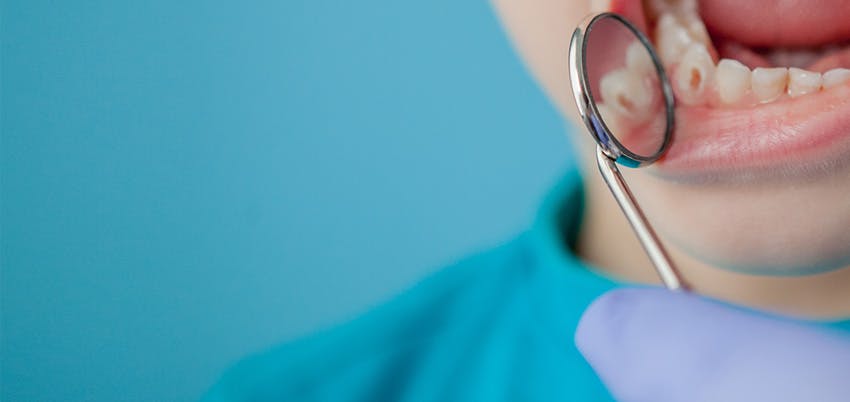
Recurrent tooth decay, why is this problem?
Tooth decay is a common problem, but when it happens again and again, it can be particularly frustrating. Here are some reasons why you may have this problem and how to solve it.
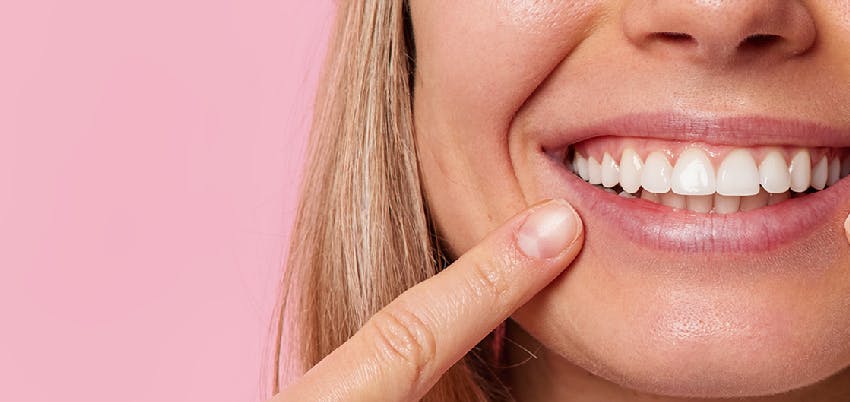
The best teeth whiteners at the best price
There are no good teeth whiteners for less than 100 euros, so it is always more economical and safer to visit the dentist. In-office teeth whitening can be just as cost-effective, the effect will last longer and the process is less invasive.
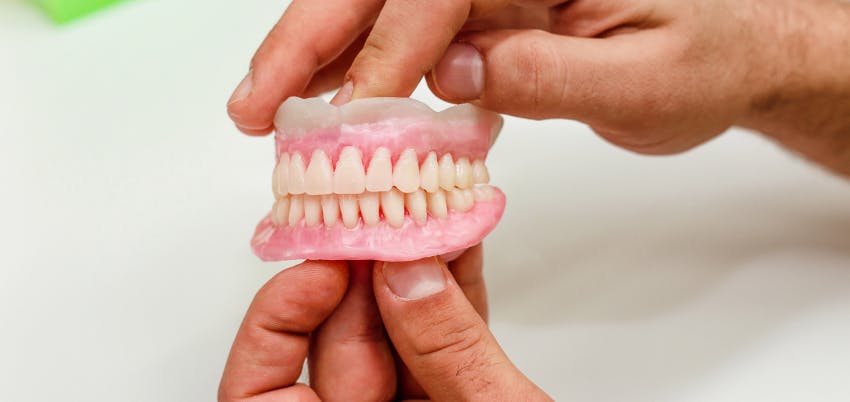
Why do gums swell and bleed? All about gum disease
Gum diseases as gingivitis and periodontal disease is one of the leading causes of tooth loss in adults. Find out what these diseases are and learn how you can avoid them.

Do whitening toothpastes really work?
by Wildsmile
Do whitening toothpastes really work?
In recent years, whitening toothpastes have become extremely popular: they promise a whiter smile simply by brushing your teeth. But do they actually work?
In this article, we’ll explore how these toothpastes work, what their limitations are, and whether they're worth it compared to professional treatments.
What they are and how they work
Whitening toothpastes usually work through two main mechanisms:
- Gentle abrasion: many contain particles (such as silica) that help polish the surface of the teeth and remove external stains;
- Chemical whitening agents: some formulas include small amounts of substances like hydrogen peroxide or carbamide peroxide, capable of slightly “lightening” the enamel.
But it’s important to note: according to specialists, these toothpastes primarily work on external (“extrinsic”) stains, not the inside of the tooth.
How effective are whitening toothpastes?
- Most dentists agree that whitening toothpastes can lighten slightly: for example, by removing stains from coffee, tea, tobacco or wine;
- However, the effect tends to be modest: many of these toothpastes only succeed in lightening by one shade, maybe two at best;
- If tooth discoloration is deeper (for example, internal pigmentation, antibiotic stains, ageing), whitening toothpastes will probably not be enough to make a noticeable difference;
- Also, if you’ve already removed surface stains, using more whitening toothpaste won’t add any extra results: once the stain is polished away, further improvements are rare.
When is it worth using whitening toothpastes?
This type of whitening toothpaste can be a good option if:
- Your goal is simply to keep your teeth clean and polished, removing everyday stains;
- You want a boost following a professional whitening treatment, to prolong the effect;
- You’re not trying to change deeply discoloured or internally pigmented teeth and are satisfied with minor improvements.
More effective alternatives
If you're looking for a more noticeable whitening result, consider:
- Professional in-clinic whitening: this is much more powerful, as it uses gels with a high concentration of peroxide and can lighten several shades;
- Custom dental whitening trays: made by a dentist, these allow the safe and controlled application of a whitening gel;
- Maintenance: using whitening toothpaste only as a complementary method, not as the sole approach, can balance safety and effectiveness.
Summary
This type of whitening toothpaste can be suitable if:
- Whitening toothpastes do have an effect, but it’s limited: they clean and remove surface stains, but don’t drastically “transform” your natural tooth shade;
- There are potential risks if overused, especially with more abrasive formulas;
- For real, more visible whitening, professional treatments remain the best option;
- Using a whitening toothpaste mindfully and alongside good dental hygiene can be useful — especially for maintenance or to remove light stains.
For more visible and safer results, professional whitening remains the best option.
With Wildsmile, you can book whitening and other treatments with accredited dentists — at more affordable prices, with safety and personalised follow-up.{
Already have your plan? If not, join now and start saving: Join Wildsmile
Want to learn more about this?
Contact us
Your contact request is registered. We will contact you as soon as possible.
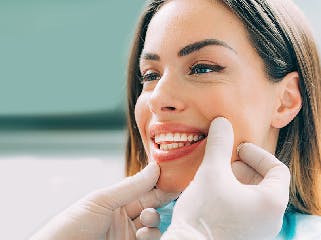
Teeth Whitening: myths
Teeth whitening is a process that is at the top of its existence. Having white teeth has become one of the aesthetic priorities of many of us. This has led to the emergence of myths about it.
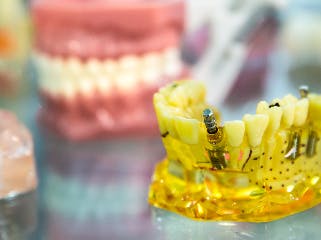
Removable Dental Prosthesis: definition, manufacture and hygiene
The removable prosthesis is a dental restoration treatment that allows it to be removed from the mouth at will. Its purpose is to replace one or more dental pieces that have had to be removed.

Oral Health: daily care
To maintain proper oral health, it is necessary to carry out a series of practices on a daily and methodical basis. Let's see what this condition is about and how it is done effectively.
Lorem ipsum dolor sit amet, consectetur adipisicing elit. Adipisci alias aliquid amet commodi dolor, dolore doloremque dolores fugit quod repellat.